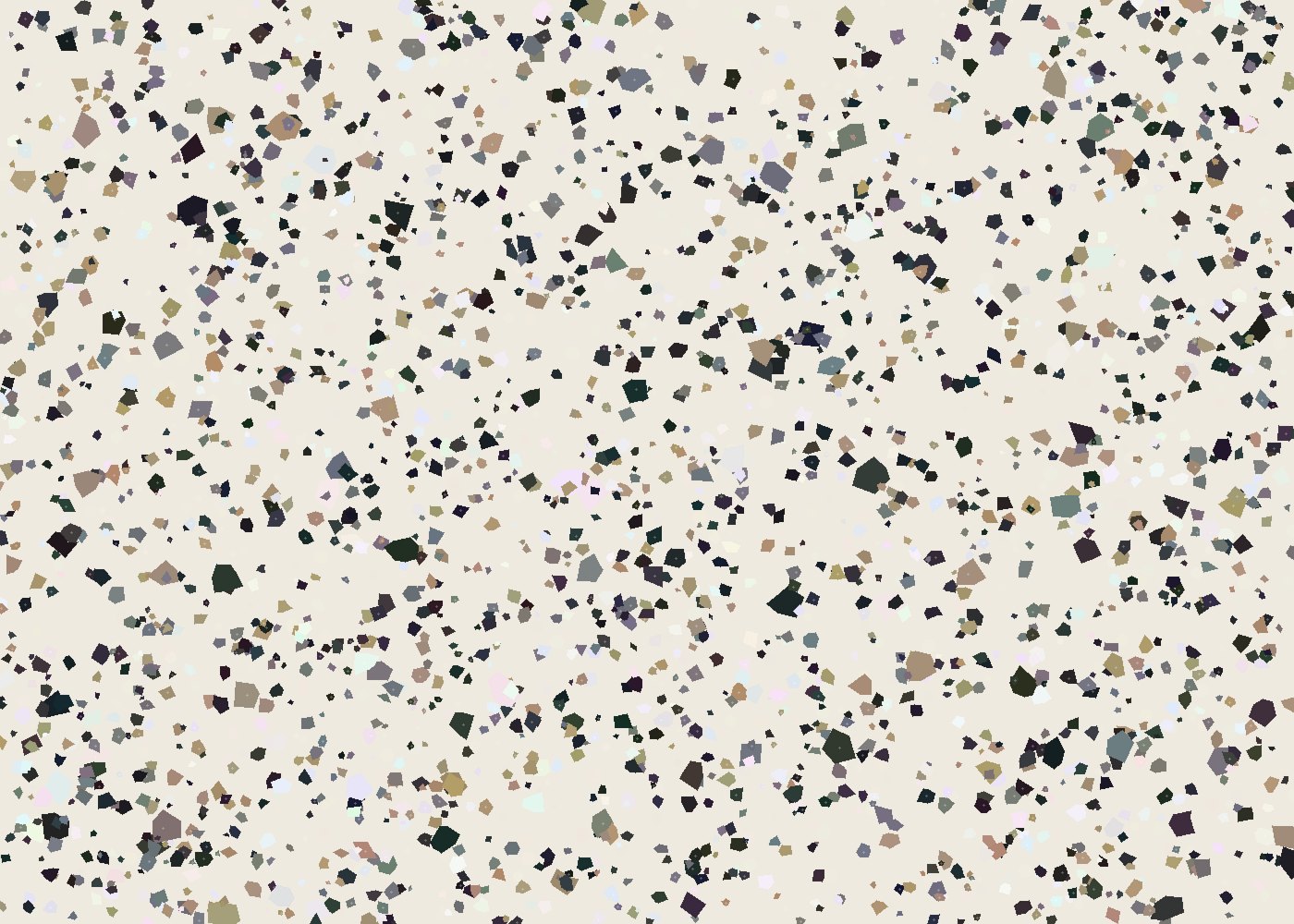
Both deliver a continuous, joint-free surface, yet they speak in different voices. Knowing where each excels is the key to specifying with conviction rather than compromise.
The desire for a continuous, unbroken surface has become one of the defining instincts of contemporary interiors. The eye, freed from the busyness of joints and transitions, is allowed to rest, and the architecture reads as a single calm gesture. Two materials answer that call with particular authority: microtopping and epoxy terrazzo. They are often spoken of in the same breath, and clients frequently arrive convinced they want one when the project in fact calls for the other. They are, in truth, fundamentally different propositions. Choosing well means understanding not only how they look, but how they are built, where they belong, how they behave under traffic and time, and how they age over the long life of a building.
Microtopping, sometimes called microcement, is a thin cement-polymer coating applied by hand in successive layers, typically just two to three millimetres thick. It is bonded over an existing substrate and sealed, prized for its mineral, troweled texture and its ability to wrap floors, walls and even joinery in a single visual field.
Epoxy terrazzo, by contrast, is a thicker poured system: decorative aggregate suspended in a two-component epoxy binder, ground and polished to reveal the stone within. Where microtopping is a surface treatment, terrazzo is a surface in its own right, with depth, mass and a visible internal structure.
One is a skin laid over architecture; the other is a body that becomes the architecture.
The differences become decisive at the level of performance and intent. A clear-eyed comparison helps the right choice declare itself.
Context should lead the decision. For a low-disruption renovation, a wall-and-floor wrap, or an interior that wants quiet, monolithic calm, microtopping is frequently the more graceful answer. For a high-traffic floor, a grand stair, a statement reception or any surface that must perform for decades, terrazzo's mass and resilience reward the greater commitment. Neither is superior in the abstract; each is superior somewhere.
Microtopping often presents a lower entry cost and a faster route to a finished surface, since it builds over an existing substrate in thin layers and cures quickly, which makes it attractive for fit-outs working to tight programmes and constrained budgets. Terrazzo asks for more, in both budget and build time, because it is poured, cured, ground and polished as a substantial system rather than a coating. In return it offers a surface of greater permanence, mass and presence. The honest framing, the one we always put to clients, is value over the whole life of the project rather than price on the single day of installation; the cheaper surface is not always the less expensive one.
Expectation management matters too. Microtopping's hand-applied nature means subtle variation is part of its beauty, not a defect. Terrazzo's character lies in the distribution of its aggregate, which is designed but never mechanically uniform. Clients who understand this in advance are clients who remain delighted years later.
We work with both because both are right, somewhere. The question we put to designers is never "which is better?" but "what is this surface being asked to do?" Define the traffic, the lifespan, the height constraints and the emotional register you are after, and the material tends to choose itself. A continuous surface should feel inevitable; arriving there by the correct road is what makes it so.
Both deliver the unmistakable speckled beauty of terrazzo, yet they behave very differently underfoot, in colour and over decades. A clear-eyed comparison for specifiers.
Read article→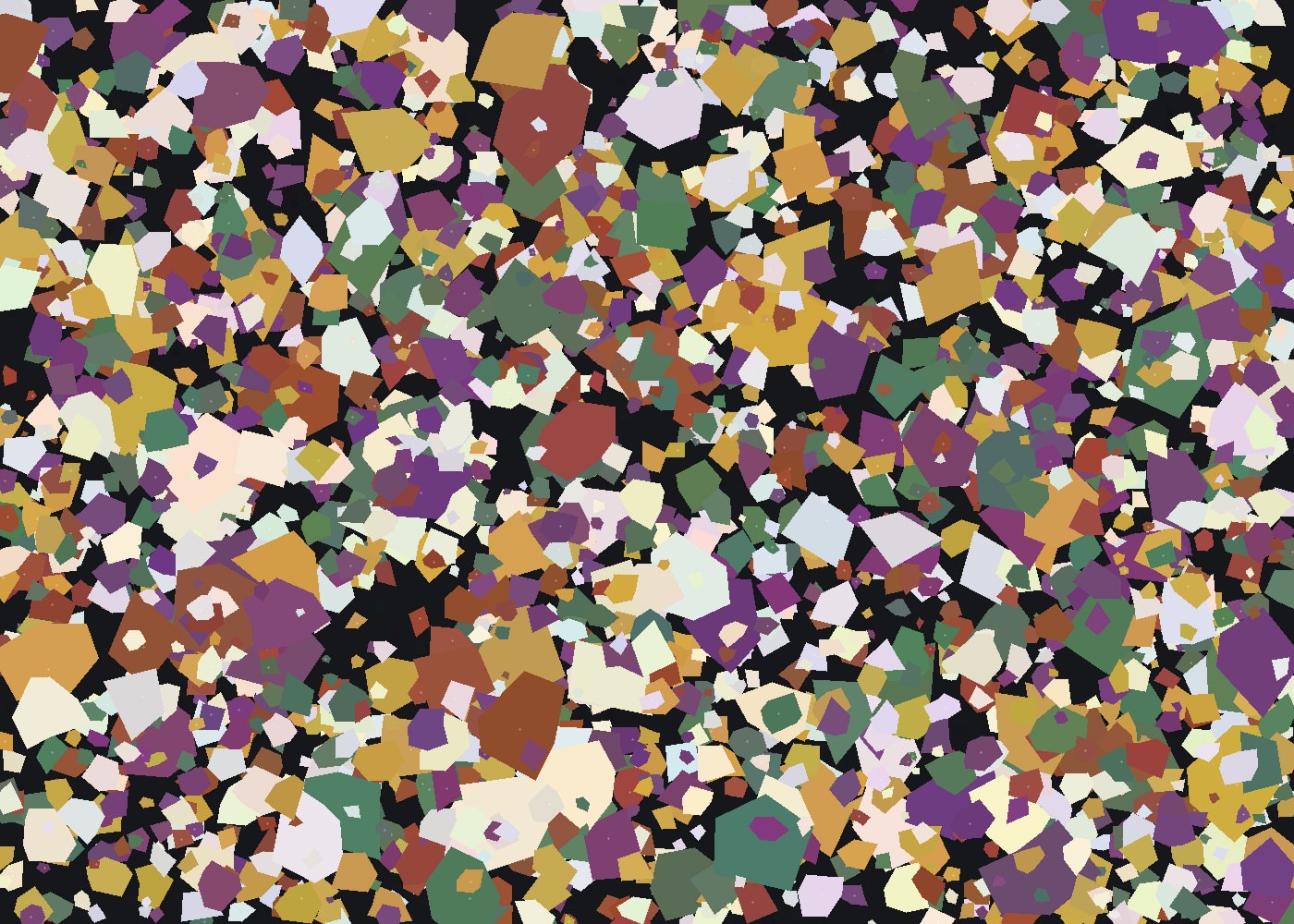
Aggregate is the vocabulary of terrazzo. The chips you select decide its colour, light and soul. A guide to the four families and how to compose with them.
Read article→Both deliver the unmistakable speckled beauty of terrazzo, yet they behave very differently underfoot, in colour and over decades. A clear-eyed comparison for specifiers.
Read article→