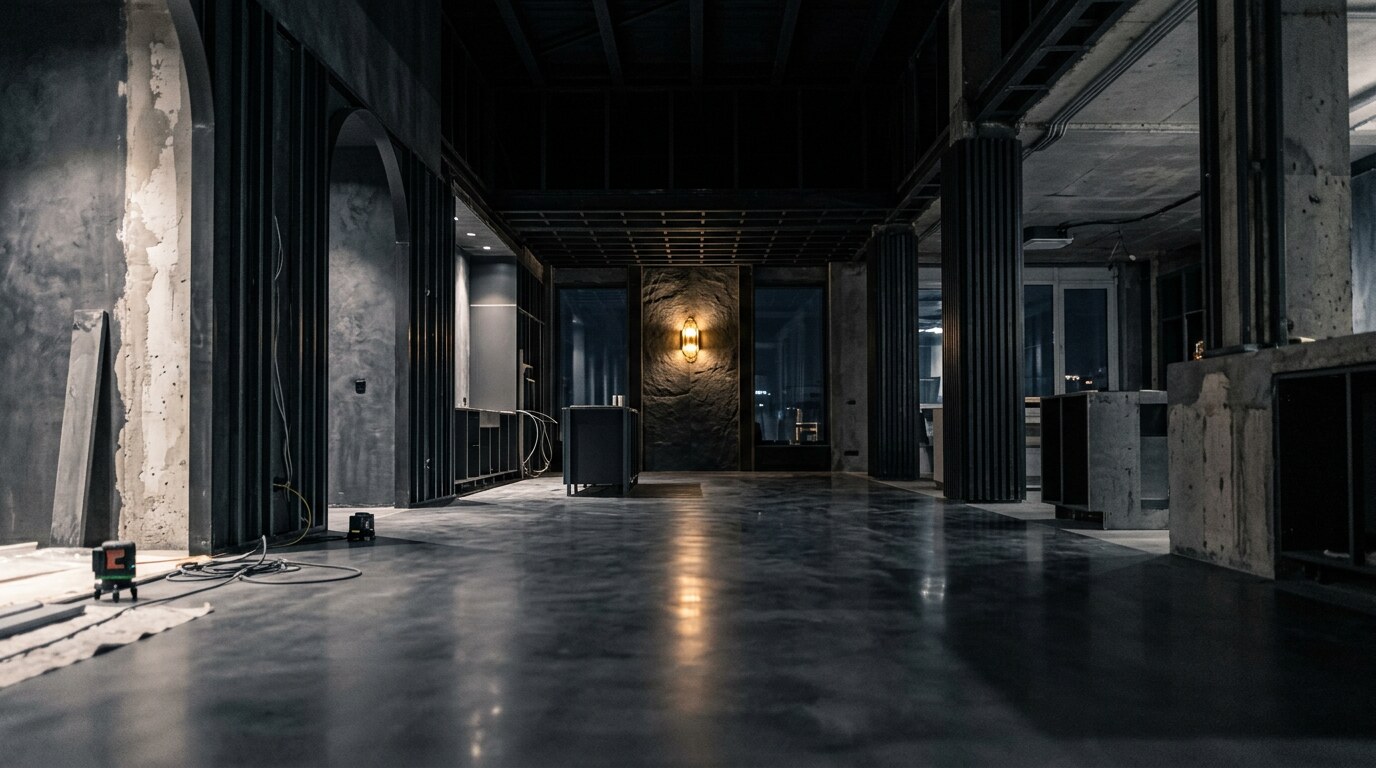
Epoxy terrazzo rewards restraint. With pH-neutral cleaning and a considered routine, a seamless surface keeps its depth and lustre for decades, asking for very little in return.
Few surfaces age as gracefully as a well-made epoxy terrazzo. The two-component resin matrix that binds the aggregate is dense, non-porous and chemically resilient, which means the everyday rituals of care are mercifully simple. Yet simplicity is not the same as indifference. A considered routine, observed lightly but consistently, is what separates a floor that merely survives from one that deepens in character year after year, gathering the soft patina that only time and good stewardship can give.
Epoxy terrazzo is a poured, monolithic system: marble, granite, glass or mother-of-pearl aggregates suspended in a pigmented epoxy binder, ground flat and sealed. Because there are no grout lines and no open pores, dirt has nowhere to lodge and bacteria have nowhere to multiply. This is the great advantage over cementitious flooring, and it is why terrazzo is so often chosen for spaces where hygiene and continuity matter. The trade-off is that the resin, while exceptionally hard, is sensitive to the wrong chemistry. Strong acids and aggressive alkalis can dull the finish over time, and abrasive scouring pads will scratch the topcoat long before they touch the stone beneath. The art of caring for terrazzo is therefore the art of doing less, but doing it correctly and without exception.
The goal of maintenance is never to restore a surface, but to ensure it never needs restoring.
For routine cleaning, less is genuinely more. A soft dust mop or microfibre cloth lifts grit before it can act as sandpaper underfoot. For washing, use only a pH-neutral cleaner diluted as the manufacturer directs, applied with a well-wrung mop and clean, warm water. Always rinse, because dried detergent residue is itself a source of haze and slip.
Acidic descalers, undiluted disinfectants, solvent-based strippers and so-called "miracle" all-purpose sprays have no place near terrazzo. Neither do steam mops at high temperature, which can stress the resin. When in doubt, test any new product on an offcut or an inconspicuous corner first.
Many of our surfaces carry a UV-stable polyurethane or epoxy topcoat that takes the wear so the terrazzo itself does not. This sacrificial layer is what you are truly maintaining day to day. In commercial settings, a periodic re-coat every several years refreshes the sheen and slip profile without any grinding. In residential interiors, that interval stretches comfortably longer. The decision is driven by traffic, not by the calendar.
Polished surfaces can be re-buffed to recover lustre, while honed and matte finishes are forgiving of micro-scratches by their nature. For stairs and thresholds, pay particular attention to the nosing, where wear concentrates; a light maintenance coat here protects both appearance and safety.
Terrazzo treads and risers benefit from the same pH-neutral regime, with extra care given to any anti-slip aggregate broadcast into the surface. Vertical applications and cladding need little more than occasional dusting. Where terrazzo meets the outdoors, freeze-thaw exposure and UV ask for a topcoat specified for the condition, and a slightly more frequent inspection.
The reward for this restraint is considerable. A seamless epoxy terrazzo installed with discipline will hold its colour, its depth and its hygienic, joint-free integrity for decades, outliving most of the materials chosen alongside it. There is no grout to discolour, no seams to fail, no porous body to absorb the life of the room. Spills wipe away, scratches in the topcoat are renewable, and the stone itself is effectively permanent. Care here is not labour; it is stewardship of a material designed to last a lifetime, and to look better for having been left largely alone. Hand a terrazzo floor a little attention and the right cleaner, and it will quietly repay the favour long after the trends that surrounded it have passed.
Both deliver the unmistakable speckled beauty of terrazzo, yet they behave very differently underfoot, in colour and over decades. A clear-eyed comparison for specifiers.
Read article→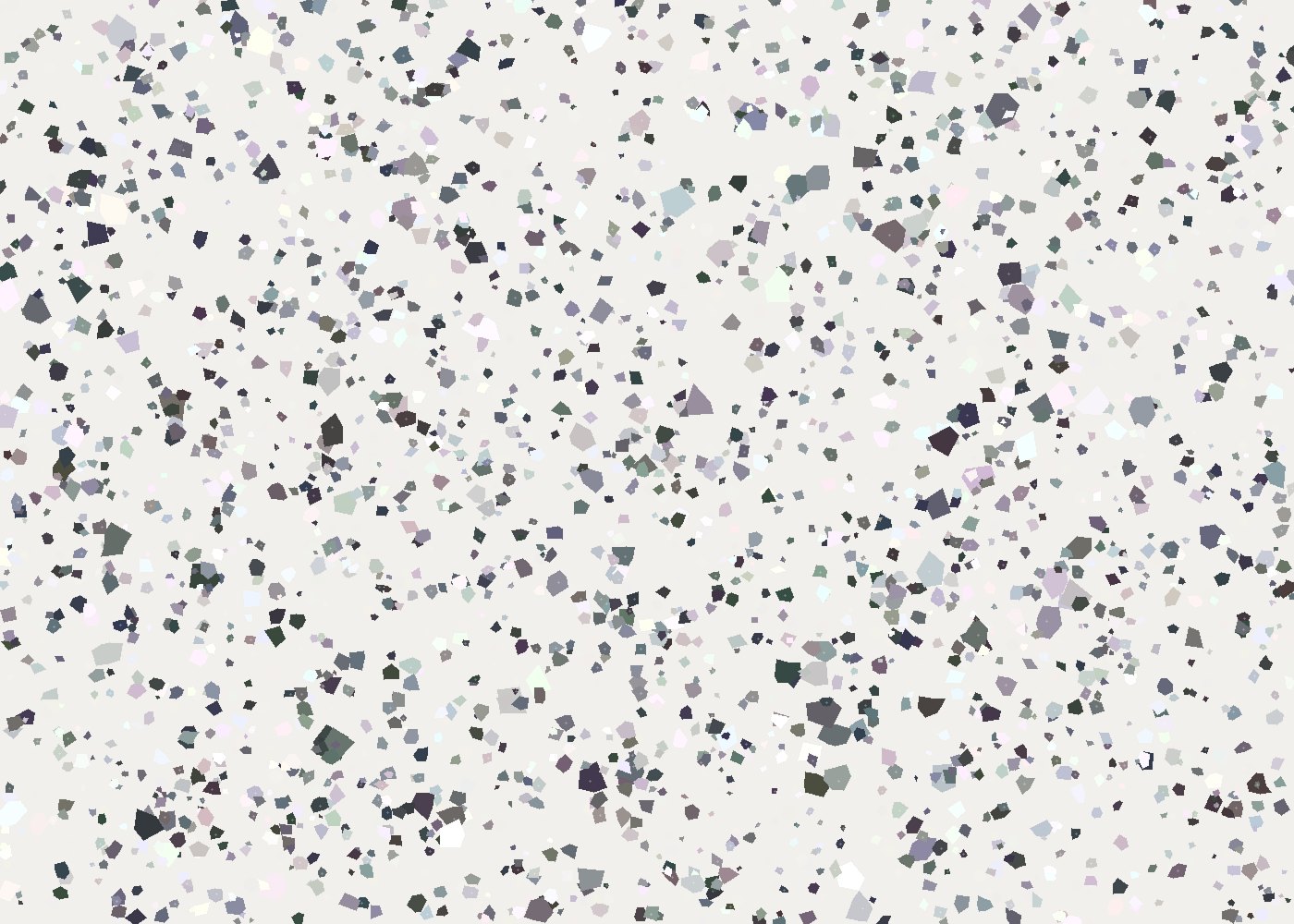
Once dismissed as institutional flooring, terrazzo has returned as a signature of considered luxury. We trace the revival and explain why designers cannot put it down.
Read article→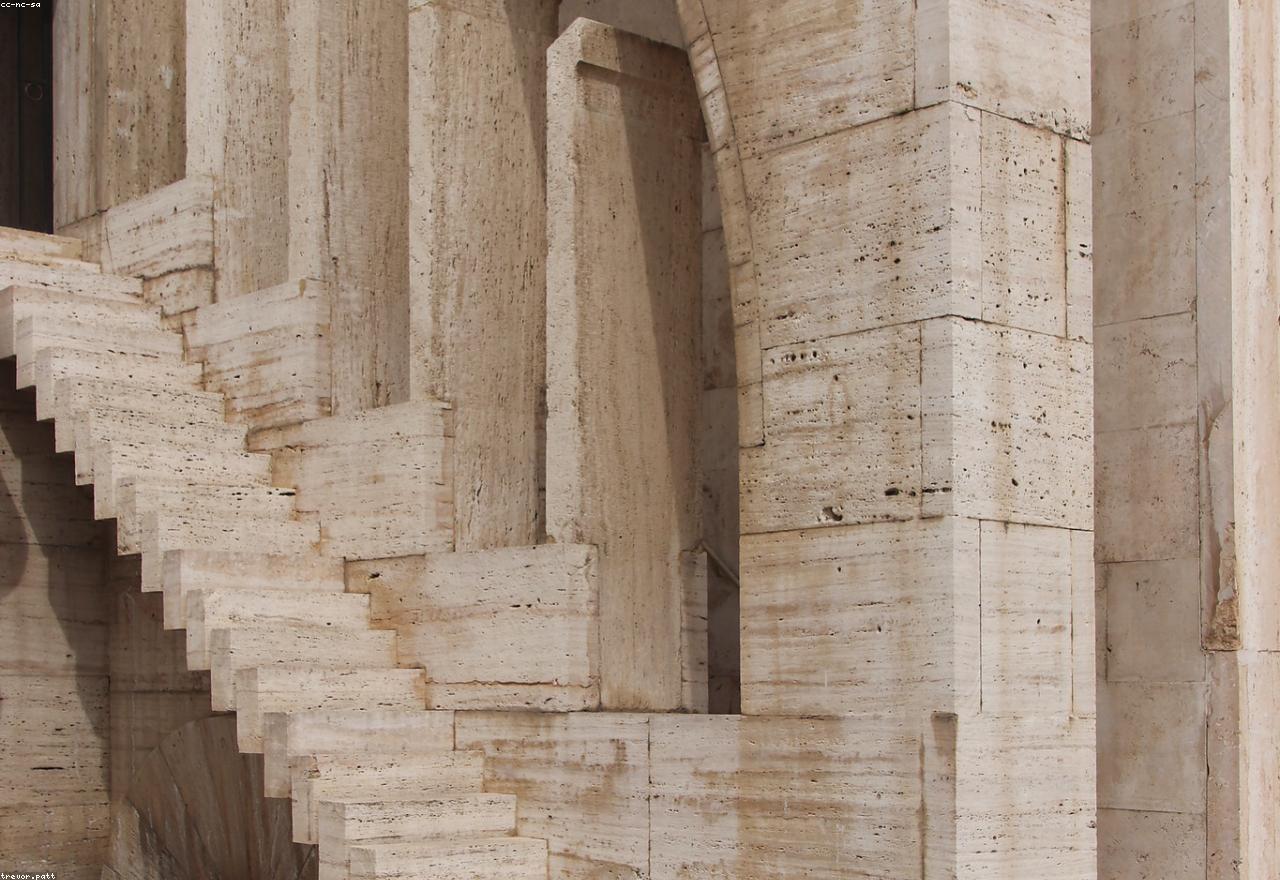
A single terrazzo stair tread passes through a dozen disciplined hands before it reaches site. We open the workshop doors on the craft behind the finish.
Read article→