Once dismissed as institutional flooring, terrazzo has returned as a signature of considered luxury. We trace the revival and explain why designers cannot put it down.
For a material with a five-hundred-year pedigree, terrazzo has had a remarkably uneven reputation. Born in fifteenth-century Venice from offcuts of marble too good to waste, it spent the late twentieth century unfairly typecast as the floor of airports, schools and municipal lobbies. Then, almost overnight, it became one of the most desirable surfaces in contemporary interiors. The return was not nostalgia. It was a recognition.
The original Venetian terrazzo was a triumph of thrift, a way of binding marble fragments into a seamless mosaic with a lime base. That origin story matters now more than ever, because it frames terrazzo as the original circular material, beauty made from what would otherwise be discarded. As designers and clients have grown more conscious of waste, recycled aggregate, including post-consumer glass and reclaimed marble, has turned that heritage into a contemporary virtue.
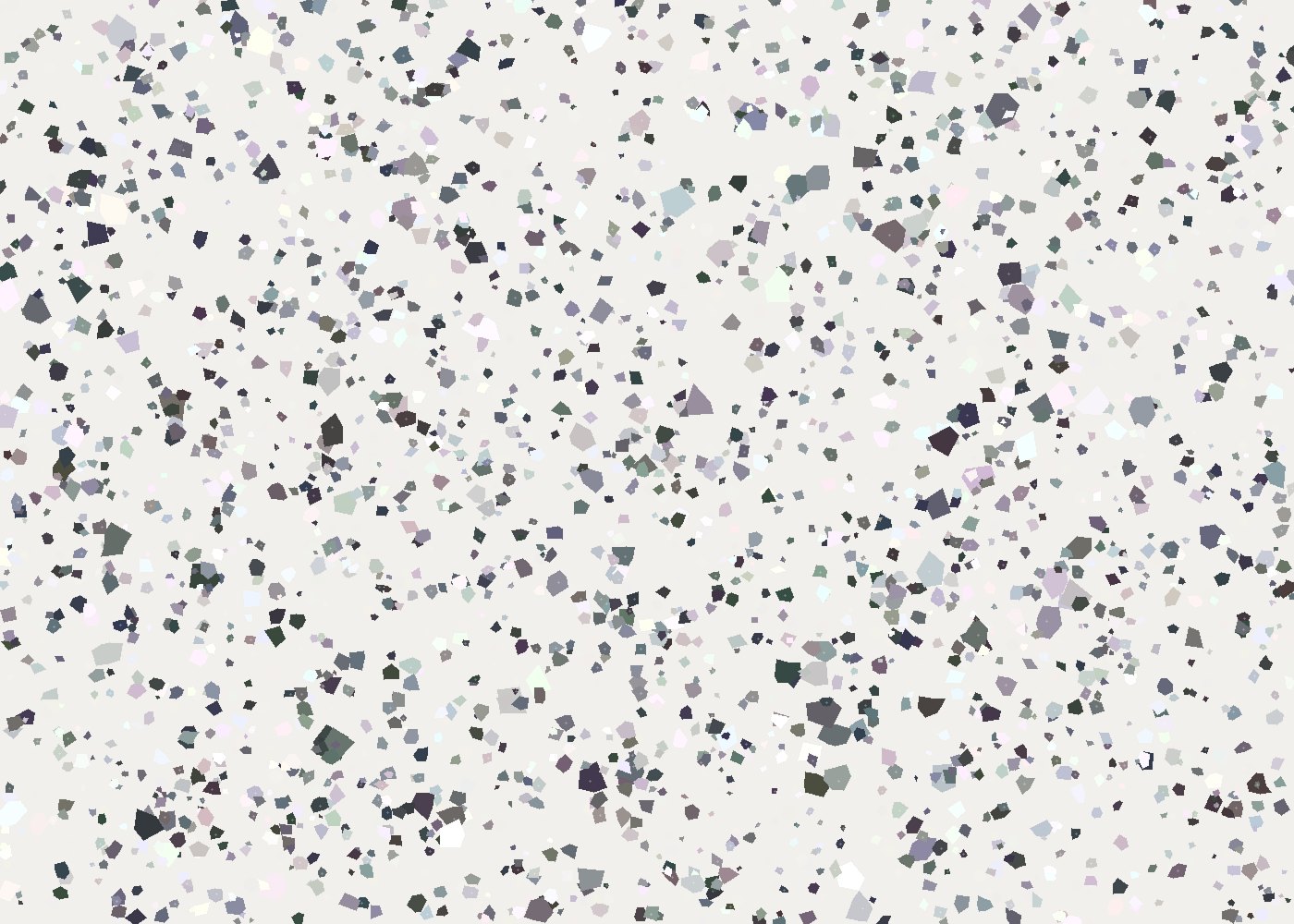
Part of the appeal is simply optical. Terrazzo is never flat. The eye travels across a field of chips, each catching light differently, producing a depth that printed and homogeneous surfaces cannot fake. In an age of mass-produced sameness, a material that is genuinely particular, where no two square metres are identical, reads instantly as luxury.
Terrazzo is the rare surface that is both quiet and alive; it recedes as a backdrop yet rewards anyone who looks closely.
The revival has held because terrazzo answers several pressures at once. It is, in the right binder, almost infinitely customisable, which suits an era of bespoke interiors.
The deepest reason for the resurgence may be philosophical. Much of contemporary luxury has shifted from the conspicuous to the considered, from logos to craft, materiality and time. Terrazzo embodies that shift. It is laboured over, ground and polished by hand and machine, and it improves with age rather than apologising for it. A terrazzo staircase or floor is a commitment, not a finish to be swapped at the next refresh.
At Deco Interior we see this play out in every commission. Clients no longer ask only how a surface looks on the day it is installed; they ask how it will look in twenty years, how it was made, and what it is made from. Terrazzo answers all three with confidence. Its resurgence is less a fashion cycle than a correction, the rediscovery of a material that was always, quietly, exceptional.
Hospitality asks a surface to be beautiful, durable, safe and endlessly walked upon. Terrazzo answers all four, which is why it has become the material of arrival.
Read article→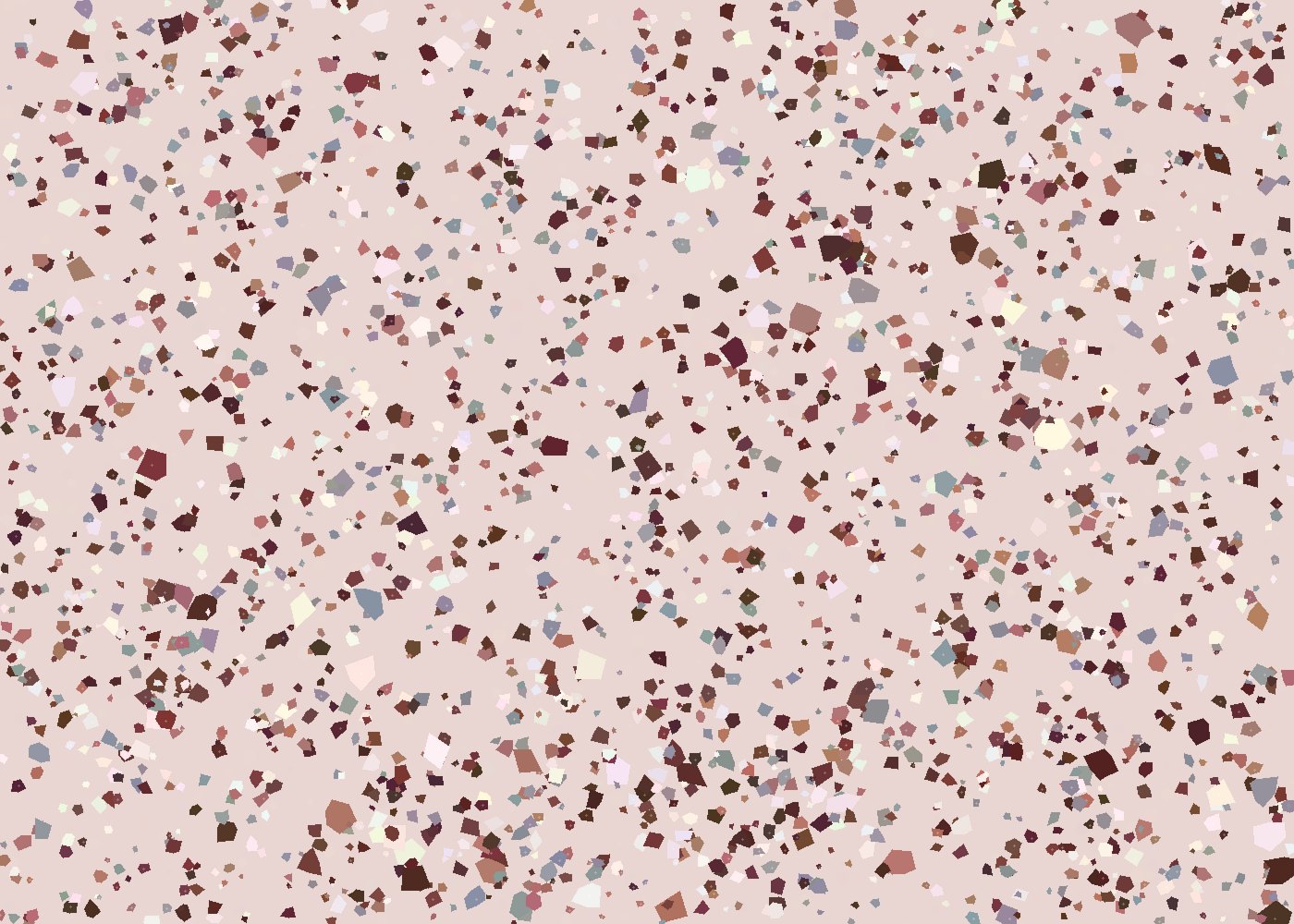
Colour in terrazzo is not painted on but cast through. Understanding how pigment, binder and aggregate conspire is the difference between a palette that pleases and one that endures.
Read article→
Beyond the floor, terrazzo has become a material for objects: kitchen countertops, vanities, tables and seating. At furniture scale, the same craft yields pieces that are seamless, sculptural and deeply personal.
Read article→