Hospitality asks a surface to be beautiful, durable, safe and endlessly walked upon. Terrazzo answers all four, which is why it has become the material of arrival.
A hotel lobby is a first impression rendered in materials. A spa is a promise of calm made tangible. A resort is a sequence of arrivals, each asking to feel both effortless and considered. Hospitality is therefore one of the most demanding stages a surface can face, and few materials perform as completely under that pressure as terrazzo. It is, increasingly, the material of arrival.
Hospitality interiors must reconcile demands that usually pull against one another. They must look extraordinary, because the design is part of what guests pay for, yet survive relentless traffic, rolling luggage, wet feet and round-the-clock cleaning. They must be safe in every condition, and they must read as one continuous, generous space rather than a patchwork of materials. Terrazzo meets this brief almost uniquely.
Spas, pool decks and wellness suites raise the stakes, because here the surface is walked barefoot and almost always wet. Slip resistance becomes a specification, not an afterthought. Circulation areas are typically tuned toward an R10 finish, while genuinely wet zones, pool surrounds, spa thresholds and shower approaches, are specified to R11 for confident grip underfoot. The beauty of terrazzo is that this safety is achieved through the grind and finish of the same material, so a single seamless surface can shift in performance without shifting in appearance.
In hospitality, the floor is never neutral; it is the first handshake, the quiet luxury a guest feels before they consciously notice anything at all.
The most ambitious hospitality projects no longer treat terrazzo as flooring alone. Because the material can be cast and prefabricated, it climbs the walls of a spa, wraps a reception desk, forms vanity tops and basins, clads a feature staircase and reappears as bespoke furniture. This continuity, a single material composed in one palette across many surfaces, produces the immersive coherence that defines memorable hospitality design. A guest may never name the material, but they feel the harmony it creates.
Discerning travellers increasingly notice how a building is made, not only how it looks. Terrazzo answers quietly. Recycled glass and reclaimed marble aggregate turn a sustainability commitment into a visible, beautiful feature, while the material's exceptional lifespan, decades of service from a surface that can be renewed in place, is itself an act of low-waste design.
For hotels, spas and resorts, terrazzo resolves the central tension of hospitality: it is at once a luxury finish and a workhorse, a canvas for identity and a guarantee of safety. At Deco Interior we approach each hospitality commission as a single composed environment, from the moment of arrival in the lobby to the last barefoot step on a spa threshold, using prefabricated epoxy terrazzo to make spaces that are as durable as they are unforgettable.
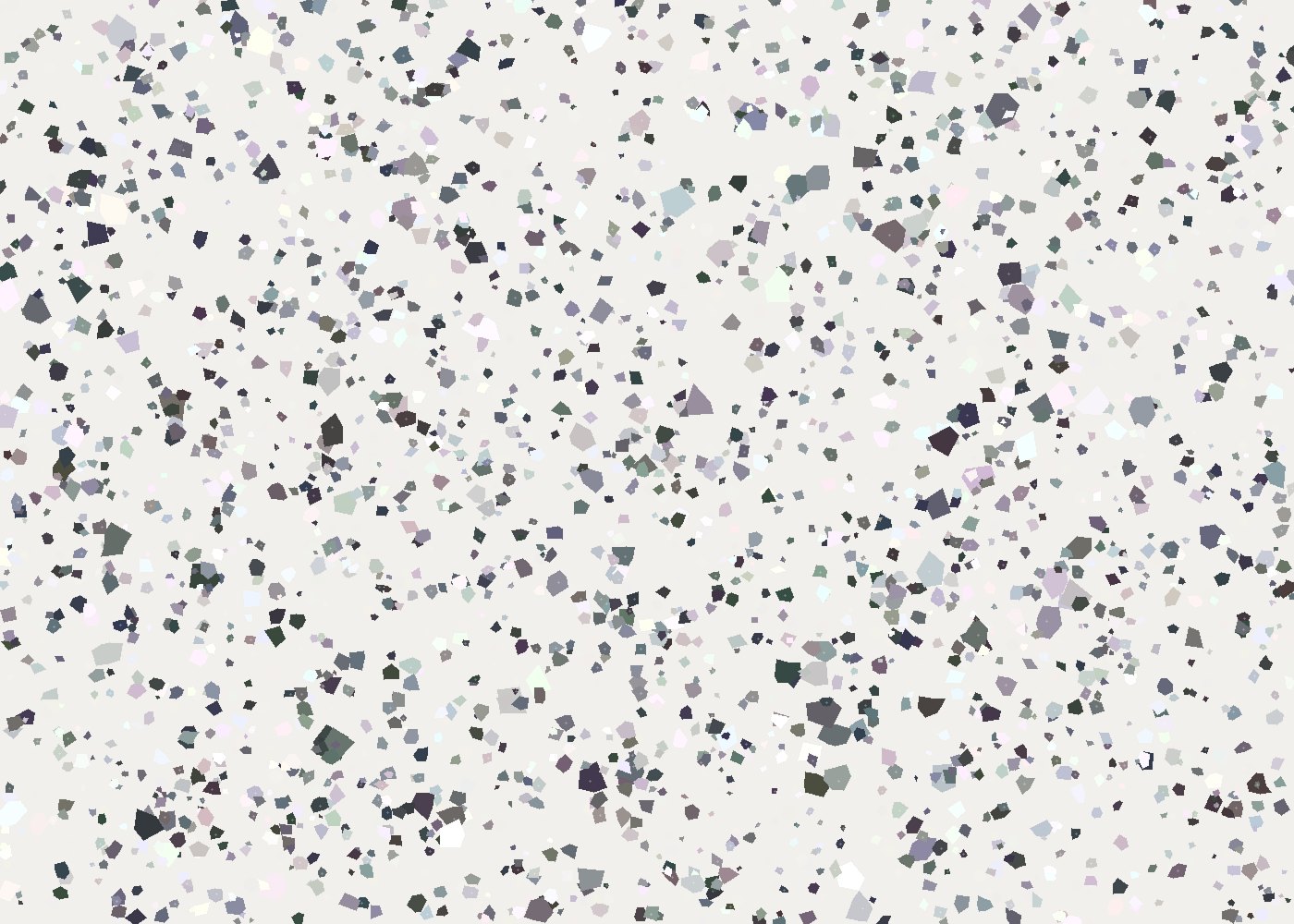
Once dismissed as institutional flooring, terrazzo has returned as a signature of considered luxury. We trace the revival and explain why designers cannot put it down.
Read article→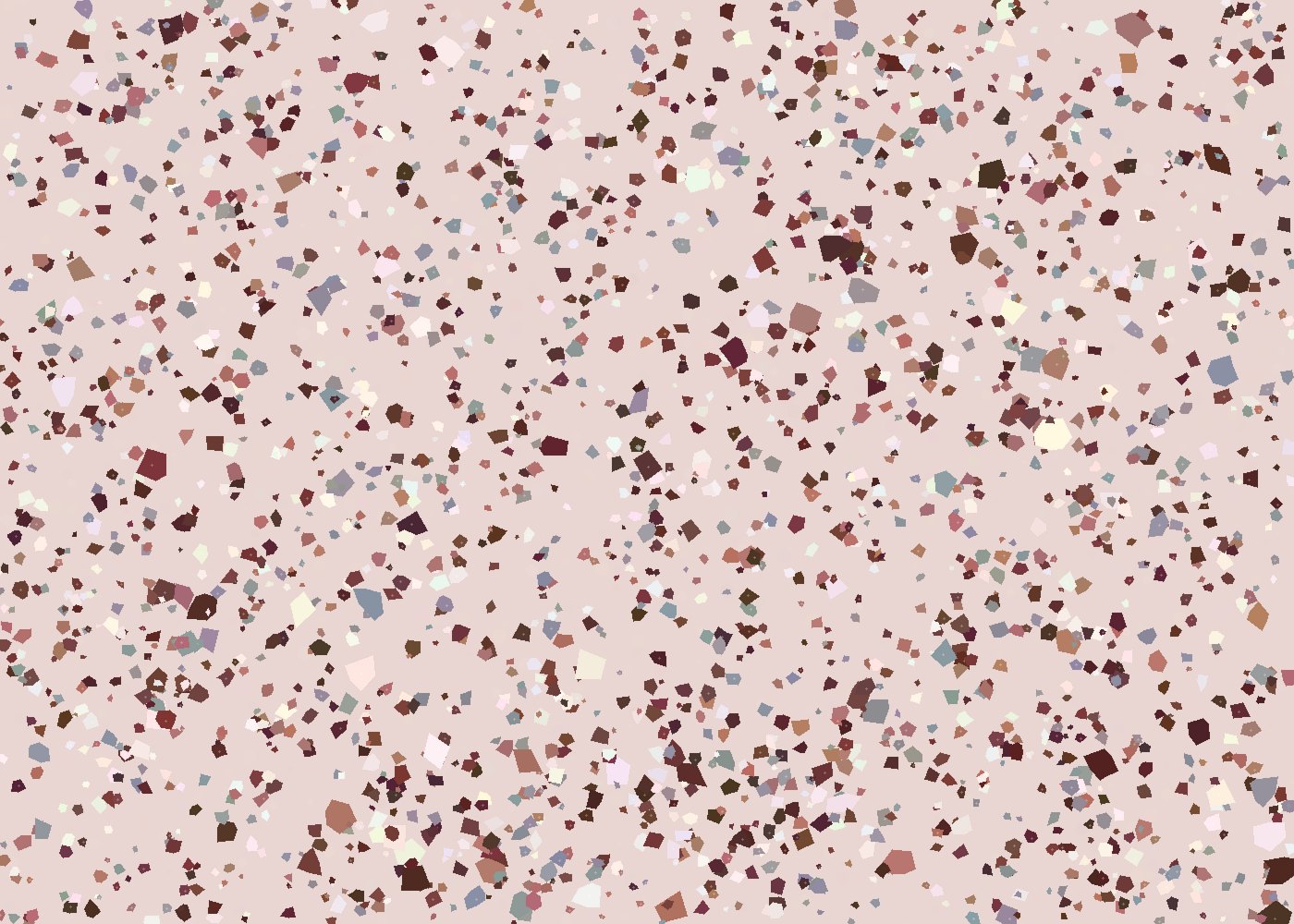
Colour in terrazzo is not painted on but cast through. Understanding how pigment, binder and aggregate conspire is the difference between a palette that pleases and one that endures.
Read article→
Beyond the floor, terrazzo has become a material for objects: kitchen countertops, vanities, tables and seating. At furniture scale, the same craft yields pieces that are seamless, sculptural and deeply personal.
Read article→