Terrazzo was conceived from offcuts long before sustainability had a name. Today, recycled glass and stone meet exceptional longevity to make a quietly compelling environmental case.
The most sustainable material is often the one you never have to replace. Terrazzo understood this instinctively from its origins. Venetian craftsmen invented it from the marble offcuts discarded by stonemasons, setting the fragments in binder and grinding them smooth so that nothing of value was thrown away. Reuse was not a marketing position; it was the entire premise of the material. Five centuries later, that founding logic gives terrazzo an unusually honest environmental story, one that does not depend on a fashionable label but on the way the material is genuinely made and genuinely lasts.
The visible beauty of terrazzo is also its environmental opportunity. The aggregate that gives each surface its character can be drawn substantially from recycled streams.
Each of these diverts material from landfill and reduces demand for newly quarried stone. Because the aggregate is locked permanently into the binder, it is also stabilised: nothing leaches, nothing degrades. A bottle that might have lain in the ground for centuries instead becomes a glint of colour underfoot for the life of a building.
Longevity is the quietest and most powerful form of sustainability; a surface that lasts a hundred years is a surface not made twice.
A serious environmental assessment looks beyond a single recycled ingredient to the full lifecycle, from raw material through manufacture, use and eventual end of life, and this is where terrazzo's case strengthens rather than weakens. The embodied energy of the two-component resin binder is real and should not be glossed over; epoxy is an engineered material with a meaningful production footprint. But it must be weighed against a service life measured in decades, often outlasting two or three generations of the interiors built around it. A material assessed only at the factory gate looks different from one assessed across fifty years of use. Floors that are recoated rather than ripped out, surfaces that are repaired in place rather than replaced, and materials that never enter the waste stream at all: these are where the genuine savings quietly accrue, year after uneventful year.
Rather than accepting general claims, ask for specifics. A credible Environmental Product Declaration, or EPD, reports verified data on embodied carbon and resource use under recognised standards. Ask about the recycled content by weight, the origin of the aggregate, and whether the binder system is low-VOC for healthier indoor air. These documents turn good intentions into accountable figures, and they are increasingly central to credits within building rating schemes such as BREEAM and LEED.
The most meaningful sustainability decisions are taken at the drawing board. Specifying a seamless, hard-wearing terrazzo for a high-traffic floor avoids the cycle of replacement that consumes resources quietly but relentlessly. Choosing maintainable finishes, planning for periodic recoating, and detailing for repair all extend the horizon over which the material does its work.
There is, too, an emotional dimension to durability. People care for what they value, and they value what is made to endure. A surface chosen for a generation tends to be kept for a generation. In that sense the sustainability of terrazzo is bound up with its beauty; the two are not separate arguments but the same one.
We make no claim that any material is without impact, and we are wary of those who do. What we can say with confidence is that terrazzo, specified thoughtfully with recycled aggregate, a low-emission binder and a maintainable finish, and then assessed across its whole life rather than its first year, offers a rare combination: visible reuse you can read in the surface itself, genuine permanence built into the body of the material, and an end of life that need never arrive at all. For projects that intend to last, and for clients who measure value in decades rather than seasons, that is a foundation worth standing on.
Both deliver the unmistakable speckled beauty of terrazzo, yet they behave very differently underfoot, in colour and over decades. A clear-eyed comparison for specifiers.
Read article→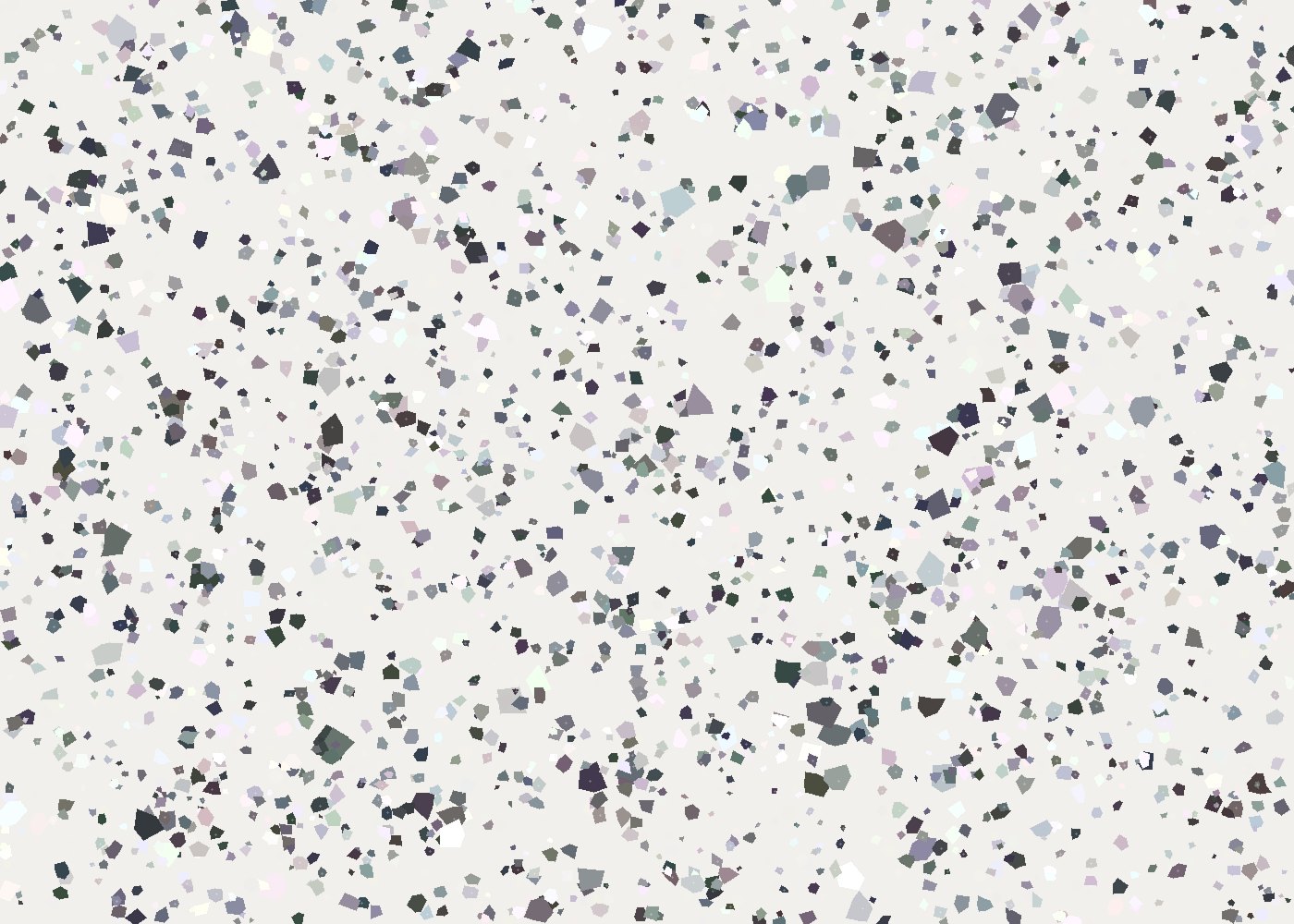
Once dismissed as institutional flooring, terrazzo has returned as a signature of considered luxury. We trace the revival and explain why designers cannot put it down.
Read article→
A single terrazzo stair tread passes through a dozen disciplined hands before it reaches site. We open the workshop doors on the craft behind the finish.
Read article→