Around a pool, terrazzo must resist relentless sun, chlorinated water and bare-foot traffic. The decisive variables are binder chemistry, surface texture and a UV-stable topcoat that holds its colour for years.
A pool deck is one of the most demanding surfaces in a project. It is wet for much of the day, walked on with bare feet, exposed to full sun, and periodically splashed with chlorinated or saline water. Terrazzo can be a beautiful answer here — seamless, cool underfoot, monolithic in appearance — but only when the system is specified for the conditions rather than borrowed from an interior detail. The two questions that decide success are simple to state and harder to satisfy: will it stay safe when wet, and will it keep its colour under years of ultraviolet light?
Standard epoxy resins are remarkable indoors but chemically vulnerable to ultraviolet radiation. Aromatic epoxies in particular tend to yellow and chalk when exposed to direct sun, which is precisely the wrong behaviour next to a pale travertine coping or a crisp white render. For exterior and wet-area terrazzo we therefore distinguish between the structural binder of the matrix and the protective topcoat that sits above it.
The practical specification for a luxury pool deck is usually a high-performance terrazzo body finished with an aliphatic, UV-stable sealer or topcoat that can be renewed over the life of the surface without disturbing the slab beneath.
Slip resistance is not a single number; it depends on who is walking and on what. For a pool surround the relevant condition is wet skin, not a shod heel, so the surface must be textured enough to break the water film. Polished terrazzo, beautiful as it is indoors, is the wrong instinct at the water's edge.
The deck should read as one continuous, refined plane — yet under a wet foot it must behave like a controlled, gently abrasive texture. That tension between visual calm and tactile security is the whole craft of an exterior terrazzo finish.
Texture is introduced by stopping the grind at a finer honed level, by lightly etching or shot-blasting the surface, or by broadcasting a fine mineral aggregate into the topcoat. Each choice trades a little reflectivity for measurable grip, and the right balance is decided with the designer against the project's safety expectations and the chosen aggregate.
No finish compensates for standing water. The substrate must be laid to fall toward channels or slot drains so the surface drains quickly, which improves both safety and the longevity of the topcoat. Movement joints are placed to absorb thermal expansion — a real concern on a dark surface in strong sun — and are detailed so they read as deliberate lines rather than interruptions.
Chlorinated and especially saline pool water is aggressive. The sealing system has to resist repeated wetting, pool chemicals and the salts that crystallise as water evaporates. A well-chosen aliphatic topcoat shrugs this off; the maintenance routine is simply rinsing, neutral-pH cleaning and periodic re-coating of the wear layer rather than the costly remaking of the surface.
For a pool deck or wet area we recommend agreeing three things in writing before fabrication: the binder and topcoat chemistry, including its UV behaviour; the target surface texture and how it will be tested wet; and the maintenance and re-coating cycle. With those settled, terrazzo delivers what no tile field can — a single, jointless, sculptural surface that is as composed in the tenth year as in the first, and that stays quietly secure under a wet foot.
Both deliver the unmistakable speckled beauty of terrazzo, yet they behave very differently underfoot, in colour and over decades. A clear-eyed comparison for specifiers.
Read article→
Once dismissed as institutional flooring, terrazzo has returned as a signature of considered luxury. We trace the revival and explain why designers cannot put it down.
Read article→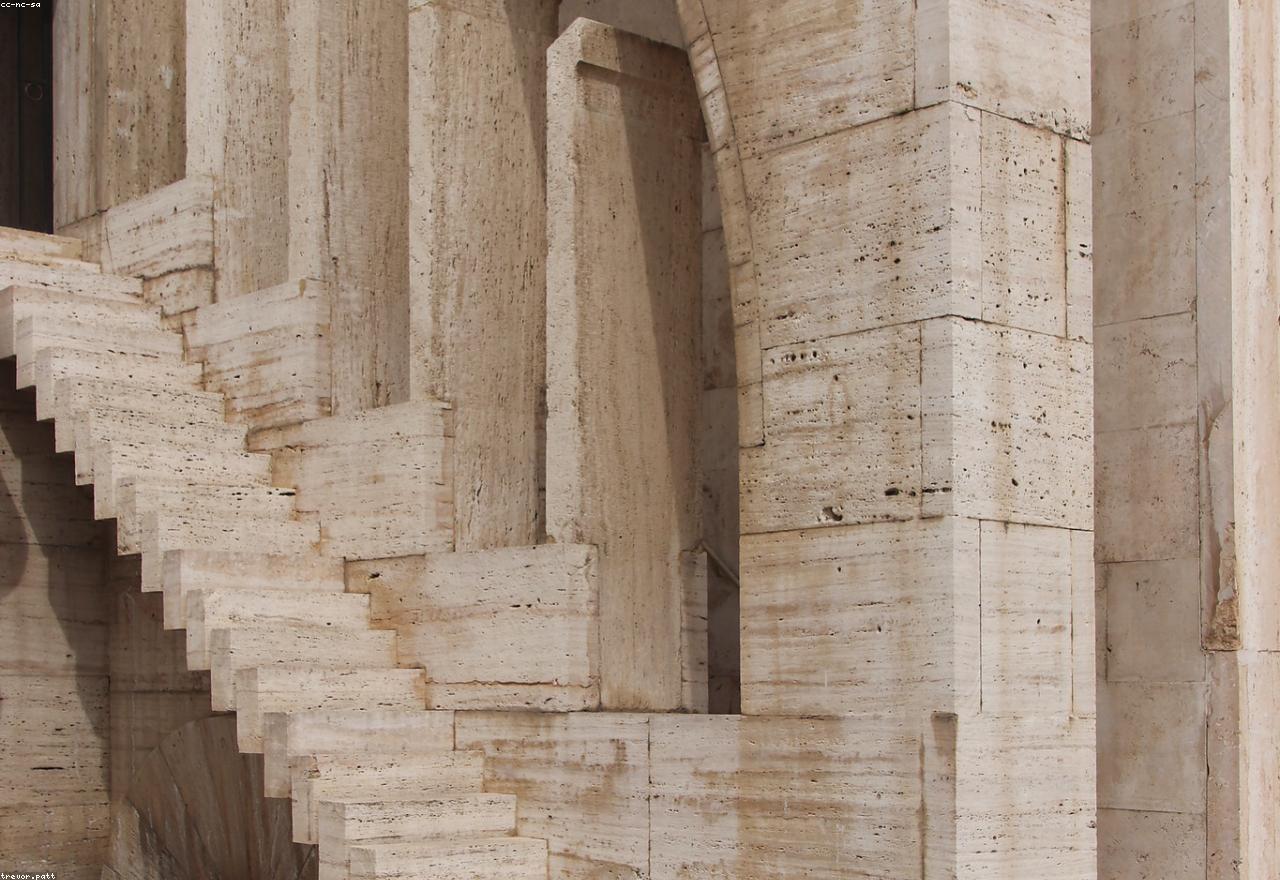
A single terrazzo stair tread passes through a dozen disciplined hands before it reaches site. We open the workshop doors on the craft behind the finish.
Read article→