Terrazzo in 2026 moves toward warmer grounds, larger formats and the bold scale of Palladiana, as designers treat the surface as a deliberate composition rather than a neutral backdrop.
For a material thousands of years old, terrazzo has rarely felt more current. After a decade of fine, confetti-like chips on cool grey grounds, 2026 marks a clear shift in temperament: warmer, bolder and more architecturally ambitious. The surface is no longer a quiet backdrop but a designed element in its own right, and three directions define the year.
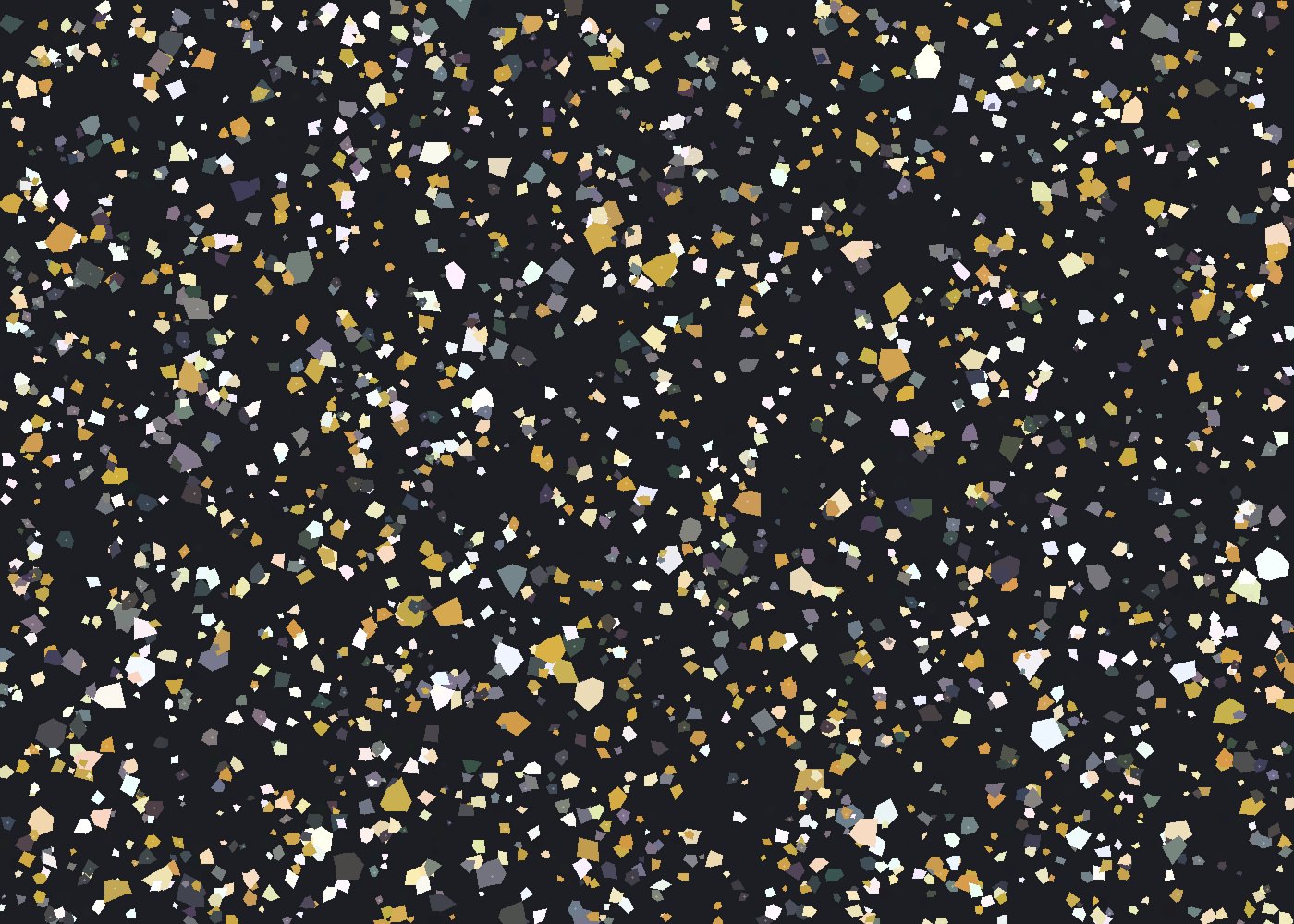
The cool, almost clinical greys that dominated recent interiors are giving way to warmer base tones. Think bone, oatmeal, clay, terracotta and soft putty, grounds that flatter natural light and sit comfortably alongside timber, lime plaster and brushed metal.
This warmth changes how the chips read. Against a creamy or sandy matrix, marble aggregates in ochre, rust, deep green and soft pink feel integrated rather than scattered, producing a surface that is rich without being busy. The palette reflects a broader interiors mood toward tactility and calm.
The second clear trend is scale. Designers increasingly want expansive, near-seamless fields of terrazzo with minimal interruption, a look that reads as monolithic and luxurious. Large-format slabs and generously sized prefabricated panels answer this directly, reducing joint frequency and letting the chip pattern breathe across the plane.
This is where prefabrication earns its place in the trend rather than merely serving it. Casting large, calibrated elements in the factory and polishing them on the multi-head line yields a flatness and consistency that is difficult to match in situ, and the controlled environment makes ambitious formats repeatable.
The most luxurious terrazzo of 2026 is the one you notice as a single, continuous surface, not as a grid of tiles pretending to be a floor.
The signature look of the year is unmistakably Palladiana: irregular slabs of marble set like crazy paving into a contrasting matrix, with the chips scaled up dramatically. Where classic terrazzo uses chips measured in millimetres, large-chip Palladiana works with fragments of a hand-span or more, creating a graphic, almost sculptural rhythm.
At this scale the effect is architectural. Each fragment becomes a deliberate gesture, and the surface gains depth and movement that fine-chip terrazzo cannot. It suits grand floors, feature walls and statement staircases where the material is meant to be read, not overlooked.
Large-chip Palladiana is demanding to execute well. The fragments must be arranged for balance, the gaps controlled, and the whole consolidated and ground to a flat, even surface despite the wildly varying chip sizes. Vacuum-vibration consolidation and a calibrating-polishing line make this achievable with consistency; attempting the same effect by hand on site invites uneven joints and trapped voids.
The three directions are not separate fashions but facets of a single idea: terrazzo as a composed, confident, architectural surface. A warm clay ground, generous format and large Palladiana chips can combine in one floor that feels both ancient and entirely of the moment.
This convergence also explains why the year favours statement applications over wall-to-wall coverage. Designers are using terrazzo selectively, on a hotel reception floor, a feature staircase, a bathroom in a private residence, where the eye lingers and the investment is justified. Treated this way, the surface becomes a centrepiece rather than a default, and the bolder grounds and larger chip scales have the room they need to perform.
Trends are useful as a starting point, not a brief. The grounds and chip palettes ascendant in 2026 happen to be enduring choices, warm neutrals and natural marbles age gracefully, but the discipline that matters is matching colour, format and chip scale to the actual room and its light. A sample viewed at full scale, in the space's own daylight, remains the only reliable test. Choose for the architecture first and the surface will still feel right long after the trend has moved on.
Both deliver the unmistakable speckled beauty of terrazzo, yet they behave very differently underfoot, in colour and over decades. A clear-eyed comparison for specifiers.
Read article→
Once dismissed as institutional flooring, terrazzo has returned as a signature of considered luxury. We trace the revival and explain why designers cannot put it down.
Read article→
A single terrazzo stair tread passes through a dozen disciplined hands before it reaches site. We open the workshop doors on the craft behind the finish.
Read article→